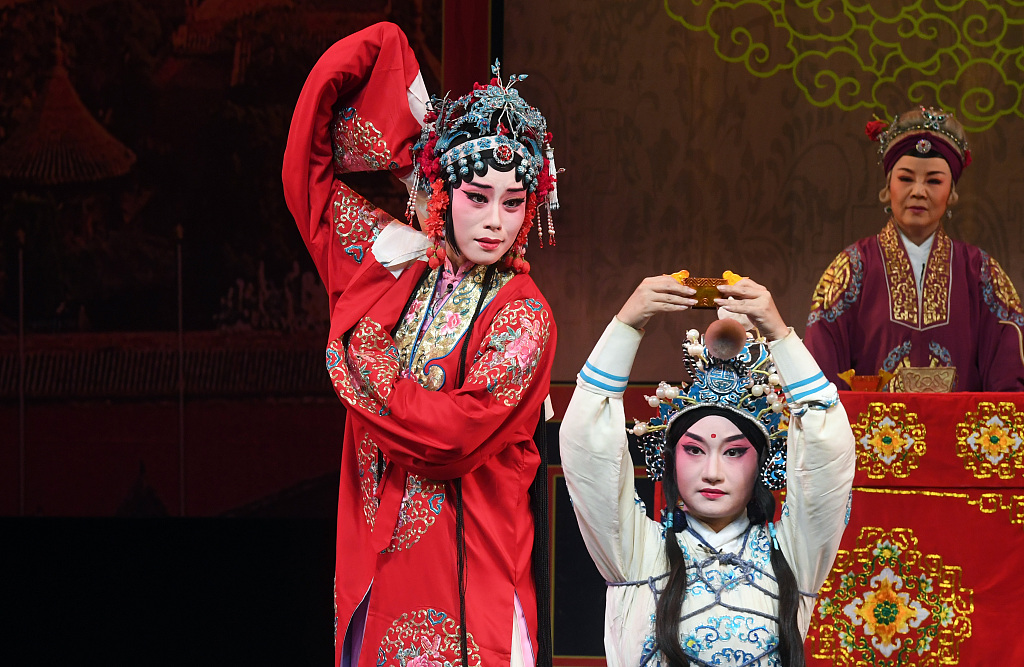
Minju Opera
Introduction
Minju Opera, also known as Fuzhou Opera, is a traditional Chinese opera form unique to Fuzhou city in Fujian province. Distinct as an opera form performed in the Fuzhou dialect, it occupies an essential place in the cultural heritage of the area.
As a prominent local art form, Minju Opera was recognized nationally as one of the first batches of China's intangible cultural heritage in 2006. This opera form is celebrated for its vivid storytelling and elaborate performances, encapsulating the spirit and traditions of the Fuzhou people. It's a cultural jewel that showcases the richness of the local dialect and musical traditions.
History
The origins of Minju Opera can be traced to the folk storytelling and singing traditions of Fuzhou area. Over the centuries, these performances evolved, incorporating elements from various regional operas, which eventually led to the establishment of Minju Opera in its distinct form. Its development was particularly influenced during the Ming Dynasty (1368–1644). As the region's population grew and diversified, its cultural expressions expanded, culminating in the unique blend of styles that characterize Minju Opera today.
Throughout history, Minju Opera has undergone numerous transformations, adapting to the changing tastes and social contexts of its audiences. The opera's themes have ranged from historical and legendary tales to everyday life and social issues, offering a reflection of the community's values and aspirations. Significant performances, such as "The Tale of the Door Threshold", highlight the opera's capacity to adapt narratives to resonate with contemporary audiences while retaining its traditional roots.
Characteristics
Minju Opera is renowned for its distinct characteristics that set it apart from other Chinese opera forms. Its performances are a vivid amalgamation of music, dance, dialogue and elaborate costuming, all of which are crucial for conveying the stories and emotions of its narratives.
Music and Instruments
The musical aspect of Minju Opera is deeply rooted in the traditional tunes of Fuzhou, incorporating local folk songs and musical motifs. The opera's music is typically performed using traditional Chinese instruments such as the flute, erhu and pipa. These instruments create a melodic backdrop that enhances the dramatic and emotional intensity of the performances. The rhythm and melody are tailored to match the dialect, providing a unique auditory experience that reflects the linguistic nuances of Fuzhou.
Costumes and Makeup
Costumes in Minju Opera are vibrant and intricately designed, reflecting the historical and cultural contexts of the stories being told. Characters are often adorned in elaborate attire that signifies their social status or role within the narrative.
Makeup is equally crucial, with specific designs and colors used to represent various character types and emotions, helping the audience distinguish between virtuous heroes and villainous foes. The visual spectacle of costumes and makeup adds to the overall theatrical experience, drawing the audience into the world of the opera.
Performance Style
The performance style of Minju Opera combines elements of acting, singing and martial arts. The actors are trained to perform with precise movements and expressions, using their bodies to convey complex emotions and relationships. Martial arts play a significant role in depicting action sequences, adding a dynamic and physical element to the performances.
Classics
Minju Opera boasts a repertoire of over a thousand traditional plays, most of which draw inspiration from folk legends, historical romances or ancient tales and zaju (variety plays). Representative works include Qin Xianglian, Du Shiniang, and Liang Shanbo and Zhu Yingtai.
Minju Opera has been shaped by numerous talented artists who have contributed to its development and popularity. Among these artists are Hu Qiming, Liu Xiaoqin and Lin Ying.
Contemporary Developments
In recent years, Minju Opera has seen various contemporary developments aimed at revitalizing the art form and ensuring its sustainability in a rapidly changing cultural landscape. Efforts to modernize performances have included the incorporation of new themes and narratives that resonate with today's audiences while maintaining traditional elements that are the hallmark of Minju Opera.
Technological advancements have also played a role in the contemporary dissemination of Minju Opera. Digital platforms and media have been utilized to reach broader audiences, making performances accessible to those unable to attend live shows. This has resulted in increased interest and engagement with Minju Opera from both domestic and international audiences.
Moreover, educational initiatives have been implemented to nurture new talent and promote an understanding of Minju Opera among younger generations. Schools, workshops and collaborations with cultural institutions have been established to provide training and resources, fostering a vibrant and thriving community of Minju Opera practitioners.








